
What Is Polytrauma?
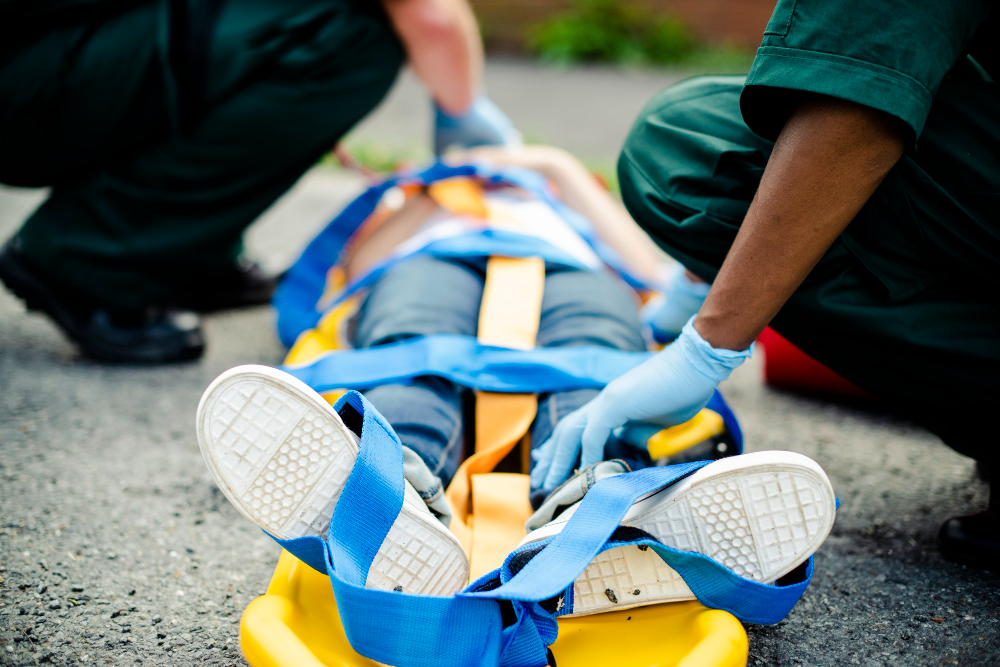
Polytrauma means having two or more serious injuries at the same time. These injuries often affect different parts of the body. For example, a person may have broken bones and head injuries together. Because polytrauma is very serious, it needs quick and careful treatment. According to the World Health Organization (WHO), injuries like these are a leading cause of death worldwide. Early emergency care for polytrauma can save lives and improve recovery.
Common Causes of Polytrauma
Many events can lead to polytrauma. Often, these injuries happen suddenly. However, some causes are more common than others. Knowing these can help you stay safe.
In cities with heavy traffic, car crashes are a leading cause of multiple traumatic injuries. But in rural areas, falls and farm accidents may be more common.
Symptoms and Warning Signs
Polytrauma can show many symptoms. Sometimes, these signs are easy to see. Other times, they may be hidden. Therefore, it is important to watch for any of the following:
If you notice these symptoms after an accident, seek emergency care for polytrauma right away. Quick action can prevent further harm.
How Is Polytrauma Diagnosed?
Doctors use several steps to diagnose polytrauma. First, they check vital signs like breathing and pulse. Next, they look for visible injuries. Because some injuries are not obvious, doctors may use tests such as:
In addition, doctors may use special scoring systems to measure the severity of injuries. This helps guide polytrauma management and treatment plans.
Treatment Options and Surgical Interventions
Treating polytrauma often starts in the emergency room. The main goal is to save life and prevent further damage. Doctors follow a step-by-step approach called “trauma protocols.” These include:
Sometimes, surgery is needed right away. For example, doctors may operate to stop bleeding or fix broken bones. After the first treatment, patients may need more surgeries or special care. Polytrauma treatment options depend on the type and number of injuries.
Recovery, Rehabilitation, and Lifestyle Guidance
Recovery from polytrauma can take weeks or months. However, with the right support, many people return to daily life. Rehabilitation is a key part of healing. It may include:
During recovery, it is important to follow your doctor’s advice. Eating healthy foods, getting enough rest, and staying active can help. In some cases, people may need help at home or special equipment. Family support also plays a big role in recovery.
Prevention Tips and Safety Measures
While not all accidents can be avoided, many steps can lower your risk of polytrauma. For example:
In addition, teaching children about safety can prevent injuries. Simple steps can make a big difference.
Conclusion
Polytrauma is a serious condition that needs fast and skilled care. Knowing the causes, symptoms, and treatment options can help you act quickly in an emergency. If you or someone you know experiences multiple traumatic injuries, consult a specialist or visit the nearest emergency center for immediate care.